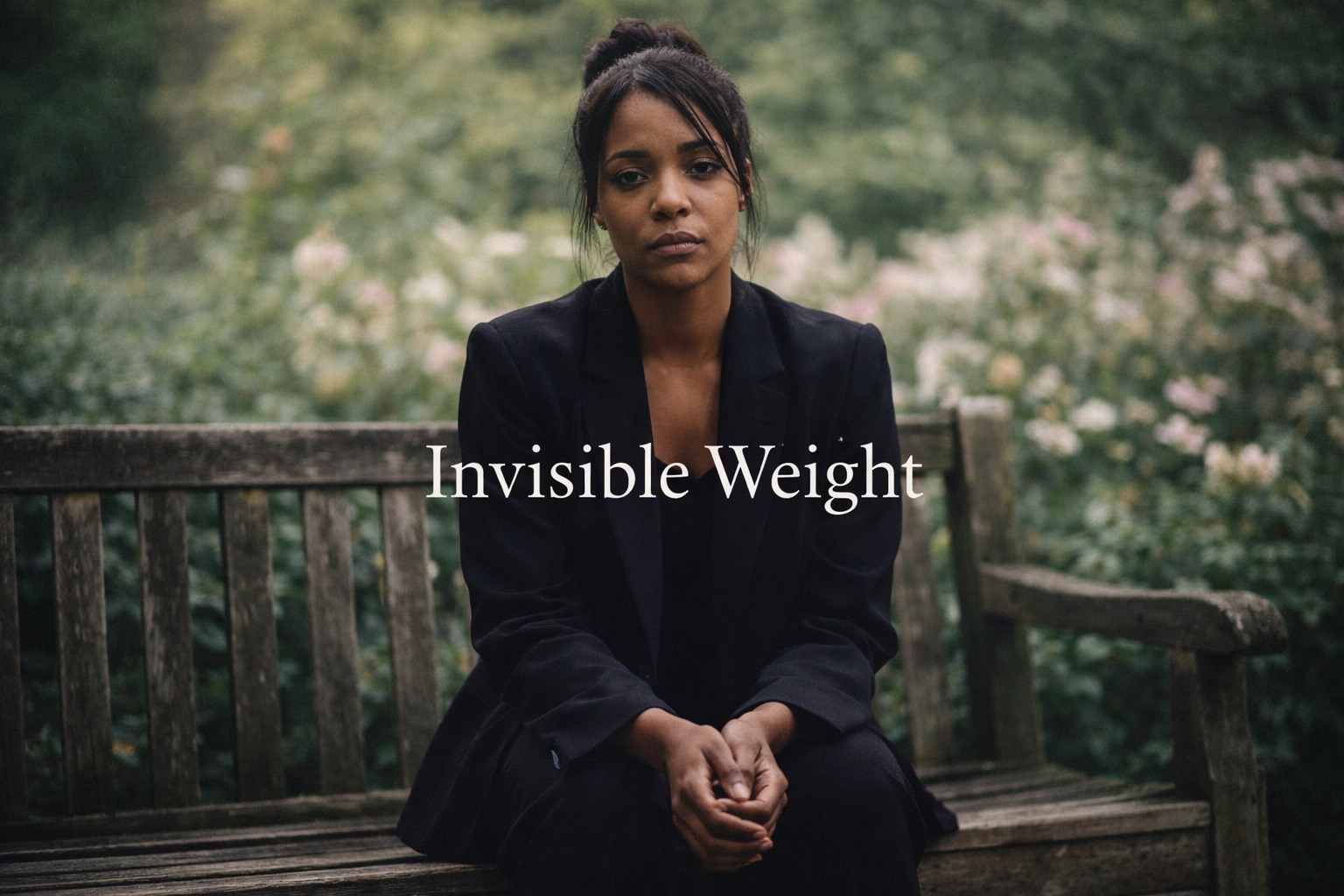
Strong women are often admired, relied upon, and praised. They are seen as capable, dependable, and emotionally steady — the ones who can “handle things.” Yet beneath that admiration, many strong women live with a quieter reality: they give far more than they receive.
One of the least discussed reasons for this imbalance is the presence of emotional freeloaders in their lives.
Emotional freeloaders are not always obvious. They are not necessarily lazy, dramatic, or malicious. In fact, many appear appreciative, supportive, and even loving. But emotionally, they take more than they give — and over time, the cost is borne by the strong woman.
What Is an Emotional Freeloader?
An emotional freeloader is someone who relies on another person’s strength, clarity, emotional labour, or emotional stability without offering the same in return.
They may lean on your decisiveness, offload their confusion onto you, depend on your emotional regulation, or benefit from your structure, insight, and nurturing. What they offer instead is admiration.
“You’re so strong.” “I don’t know how you do it.” “I could never handle what you handle.”
While these statements sound affirming, they often function as a quiet abdication of responsibility. Beneath the praise is an unspoken message: You can carry this — so I don’t have to.
Over time, this dynamic creates emotional imbalance and quiet exhaustion.
Why Strong Women Are Especially Vulnerable
Strong women rarely become strong by accident.
Many learned early in life that love was unreliable, that caregivers were inconsistent, or that emotional safety could not be assumed. In response, they adapted. They became self-sufficient, capable, and independent — not as a preference, but as a survival strategy.
When survival strategies go unexamined, they harden into identity. Strength stops being something a woman does and becomes who she is.
This is why many strong women struggle to receive care. Receiving can feel passive. Needing can feel unsafe. Depending on someone else can feel risky rather than comforting.
Over time, strength becomes the currency of belonging. I am valued because I am useful.
Emotional freeloaders sense this instinctively and gravitate toward women who will hold the emotional weight — because they do not want to.
How Emotional Freeloaders Sustain the Dynamic
Emotional freeloaders rarely ask strong women to soften. In fact, they benefit from strength remaining intact.
Softness requires reciprocity. Softness exposes imbalance. Softness quietly asks, Who is holding whom?
So strength is rewarded instead. The strong woman is praised for enduring, coping, and managing everything. Yet she is rarely asked what she needs, rarely offered care without having to earn it, and rarely encouraged to rest without justification.
Over time, this creates emotional erosion. She may feel needed but not cherished, competent but unseen, surrounded by people yet deeply lonely.
When Strength Becomes Self-Abandonment
The most painful shift happens slowly.
The strong woman begins to abandon herself before others do. She delays rest, minimizes her needs, and suppresses her longing. She becomes hyper-available — and invisible at the same time. She is in an unhealthy relationship with herself, one where care is consistently postponed.
And people often mirror what we model. When a woman never rests, others stop offering rest. When she never asks for support, others stop giving. When she carries everything, others assume she always will.
Why Rest Changes Everything
Rest is not weakness. It is nervous system regulation.
When a strong woman learns to rest, something fundamental shifts. Her boundaries become visible. Her emotional availability becomes intentional rather than automatic. Her presence changes.
Emotional freeloaders struggle in this new dynamic — not because they are confronted, but because the imbalance can no longer hide. Rest exposes who can reciprocate and who cannot.
This work is not about becoming less strong. It is about grounding strength in self-respect. Strength anchored in rest becomes sustainable. Strength anchored in softness becomes relational. Strength anchored in self-care becomes wise.
When a woman stops abandoning herself, she stops attracting people who need her to.
A Closing Reflection for Strong Women
If you are a strong woman who feels quietly tired, praised but rarely cared for, capable yet dissatisfied — there is nothing wrong with you.
But there may be something unfinished.
Learning how to rest, receive, and set boundaries is not regression. It is a return — to a way of living where strength no longer costs you your inner life. And strength, finally, becomes a place you can live in, not a role you are trapped inside.
About the Author
Njeri Kiereini
Njeri Kiereini is a social systems thinker, mental health advocate, researcher, and coach whose work sits at the intersection of emotional wellbeing, effective parenting, family systems, and social transformation. She is the Founder of the United Women’s Council (UWC) — a platform built on the conviction that a whole woman makes a whole family, and a whole family makes a whole community. Drawing on experience across advocacy, community development, financial services, and leadership, Njeri works with individuals, families, and institutions to understand the deeper patterns that shape human behaviour and societal outcomes. She is the convener of the Parenting Through the Milestones Summit, which in 2026 brought together over 150 parents across four sessions to ask the hardest questions about raising children in modern Kenya. She is currently pursuing a Master’s degree in Social Transformation and is a frequent speaker and facilitator on emotional wellness, parenting, relationships, leadership, and social change.
Whole Woman. Whole Life. Strength and Grace.