The NGO model as we know it must die if we will see the light of development in this country.
Unfortunately, regulation is viewed as a punishment rather than an instrument of accountability. A radical change in the NGO sector will be the ultimate test of the elasticity of the mind and sentiment for humanity. In order to create sustainable development solutions we must build partnerships for collective action to galvanize citizen ownership and demand visible and sustainable development results as envisaged in the national development goals. It is practically inhuman to imagine that community development can be sustained based on the concept of pure altruism; countless examples of pathological altruism abound within the NGO sector; where the intended outcomes versus the actual outcomes are not congruent and eventually end up hurting the recipients.
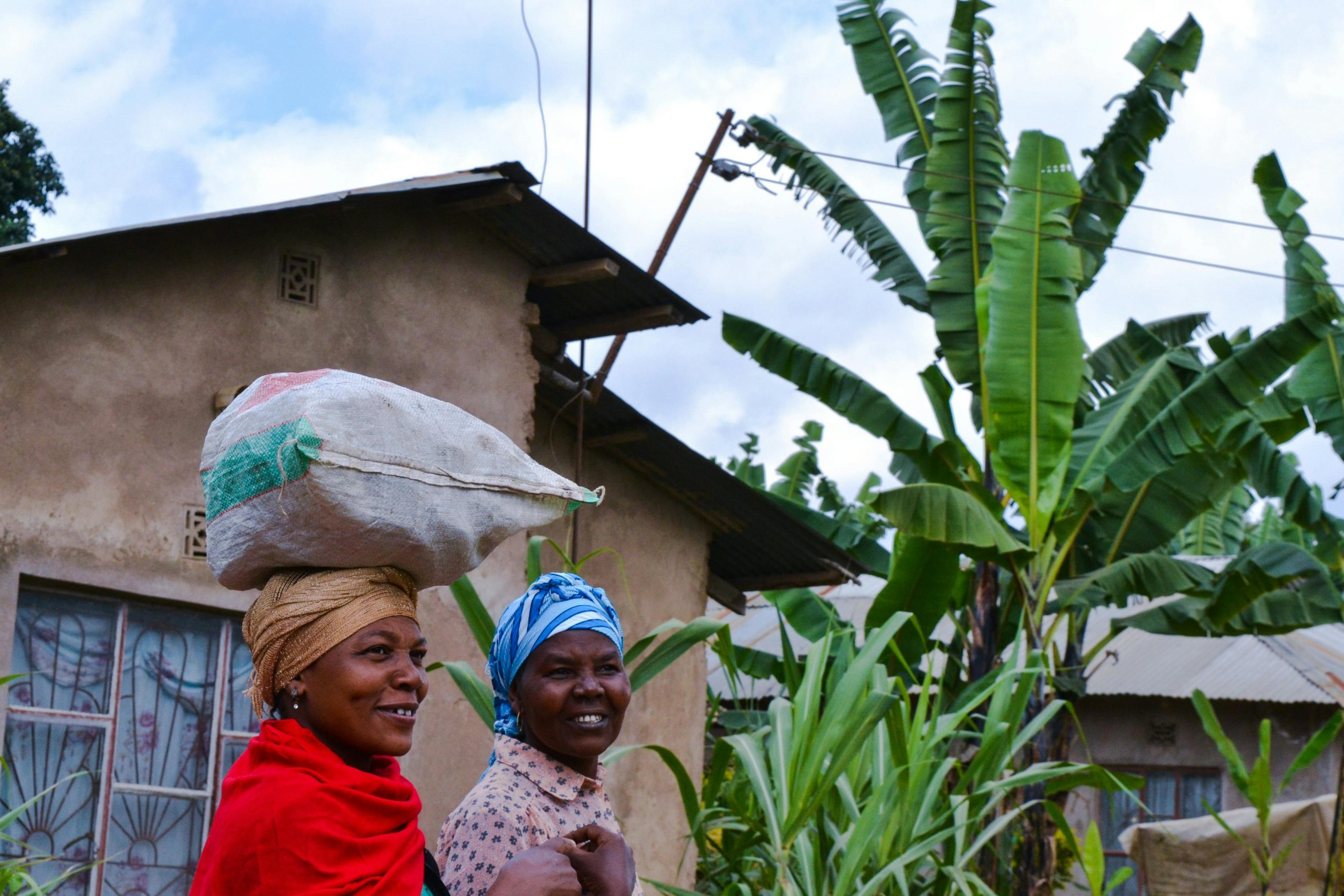
In 2013 I spent some time with a group of focused and exasperated Kenyans. They hailed from places many have not visited unless you work within the government county administration or like me, you were fortunate to visit those areas. Places like Solai, Ndungiri, Mekene, North Kitutu and Suswa. The Kenyans in those villages were able to clearly articulate their problems and the solutions they saw at hand and they were willing to carry the solutions forward. They expressed frustration with government stimulus programs and NGO rhetoric.
Could entrepreneurship be the key to true economic liberation and sustainable growth? The foundation for social entrepreneurship doesn’t lie in corporate boardrooms—it thrives in villages, where the focus is on uplifting communities through development initiatives. Unlike classic business entrepreneurship, which centers on profit, social entrepreneurship prioritizes impact. What’s fascinating about today’s business landscape is how corporate entities are leaving their plush boardrooms, seeking meaningful connections with the masses—because the real power and potential lie with them.
The study of entrepreneurship is intriguingly fluid—you can’t simply walk into a classroom and learn how to be an entrepreneur. However, that doesn’t mean the essence of entrepreneurship is beyond explanation. At its core, I believe entrepreneurship is defined by audacity—the courage to confront and navigate obvious challenges head-on. In the villages I visited I observed an apparent divide between how the women versus their male counterparts expressed their issues. They centered on social problems; disease, deforestation, alcoholism, drug abuse, promiscuity, sanitation and many more. What was most impressive was the fact that each woman had found a solution with or without resources. One in particular, collected sputum from TB sufferers, took it to the clinic for testing and took back the drugs to patient who could not find his way to the clinic. Isn’t that audacious determination? That is your definition of a social entrepreneur. Social entrepreneurship enforces innovation that will spur development.
Where do proposed solutions and sustainability truly intersect? In the minds of women—that’s where. Men, by design, approach these challenges differently. So, should we wait for the NGO sector to catch up to today’s realities? Absolutely not. Is sustainable development too fluid a problem to solve? I’d argue it’s both fluid—requiring adaptive learning—and solvable with the right strategies. One such solution lies in forming public-private partnerships, but with a focus on Wanjiku—not just as a representative of the wananchi, but as a symbol of empowered women driving change.