Everybody has their own vision of Shangri-La—where life approaches perfection. But why do we choose the politicians we choose? Have we fallen victim to “the political illusion”, as described by political writer Jacques Ellul? Is government truly capable of creating the good life?
The 2022 election was unprecedented. Many argued that it transcended the narrow confines of ethnic politics, even as political violence remained a looming concern. With razor-thin margins between the two frontrunners, the election was unpredictable and fiercely contested up until the Supreme Court ruling in September. When Dr. William Samoei Ruto was declared the fifth president of Kenya, the nation was left divided—one half elated, the other deeply deflated. The real question now is: How do we move forward as a nation?
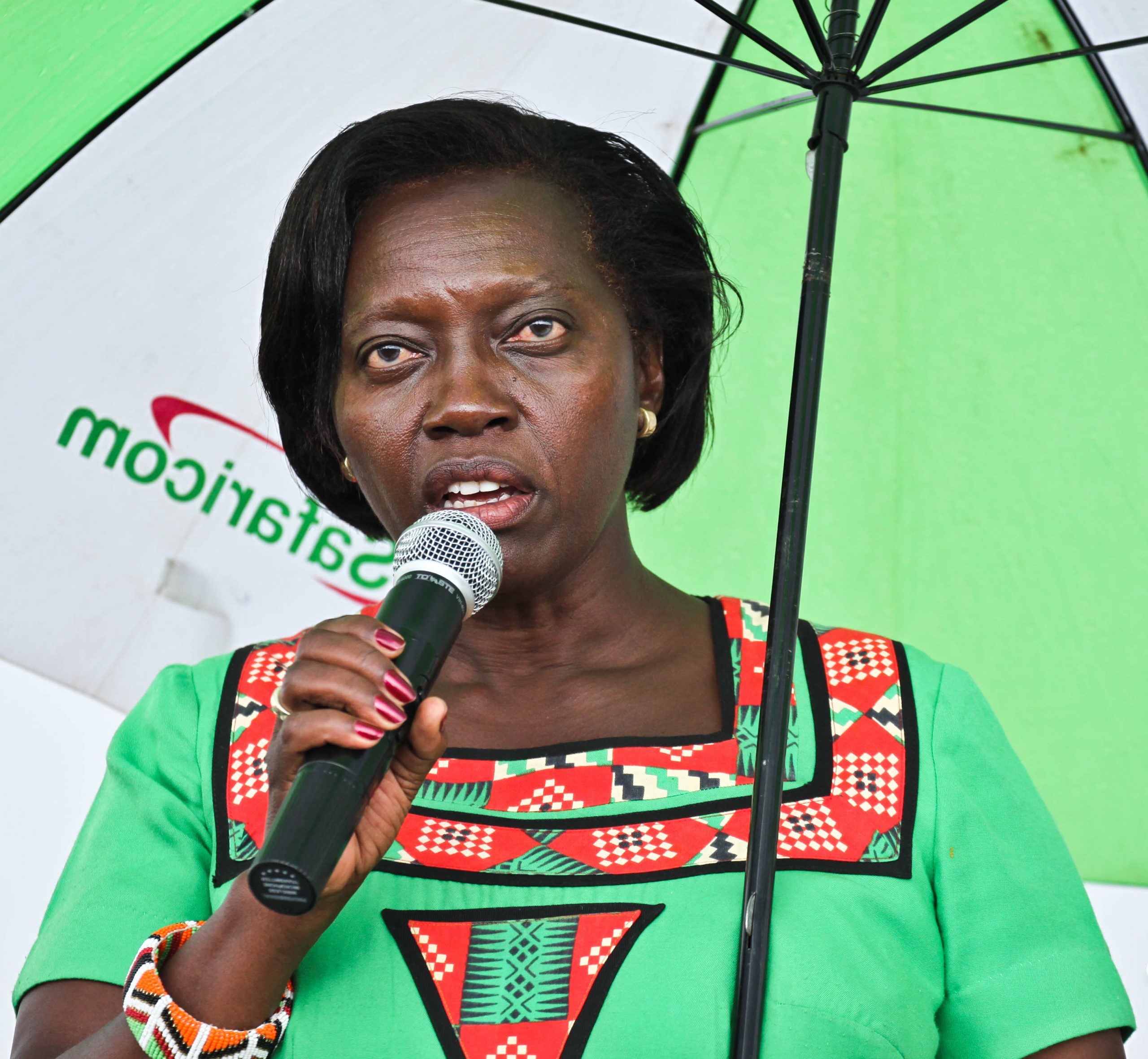
One defining feature of this election was the significant increase in women running for office—and winning. Many were first-time candidates, like Toto, who campaigned with little to no resources yet managed to convince her constituency that she was the right woman for the job. The tide was shifting. We also saw three female candidates for deputy president, the most prominent being Martha Karua, alongside the energetic Justina Wamae, who captivated the nation with her political wit and confidence during the national debates. This momentum inspired women’s groups across Kenya to rally behind female candidates.
“Passion is energy,” as Oprah Winfrey once said. Martha’s candidacy ignited a spark in professional women across Nairobi and beyond. We mobilized, lobbied, and invested our own resources in what became a national and diaspora movement—a movement that dared to dream of breaking the glass ceiling with Kenya’s first female deputy president. We didn’t win, but did we really lose?
What we built was bigger than the election outcome. From this movement, the United Women’s Council (UWC) was born—a bold initiative to advance women’s leadership across all spheres. We recognize that leadership extends beyond politics, but we also know that women must be prepared to serve. Our collective action proved that when women come together, we are unstoppable.
This is a watershed moment. Kenya turns sixty next year, and as we stand at the crossroads of history, we must ask ourselves: What’s next?
The answer lies in the spirit of “Kujitolea”—selfless service. The future of this nation does not rest solely on our elected leaders. We, the citizens, must be active participants in shaping the future we long for. Our engagement must extend beyond the ballot box—we cannot wait for another five years to decide what kind of leaders we want. The conversation must be continuous, both among ourselves and with our leaders.
For those considering a run for office in 2027, one thing is clear: The electorate is more informed than ever. Leaders can no longer manufacture their own Shangri-La. The good life must be demand-driven, shaped by a shared vision of prosperity and shared responsibility between leaders and the people.
UWC is here to ensure that happens. This is our moment. The movement is just beginning.