Would you trust a poll that claims, “The public agrees, the socio-economic success of Vision 2030 hinges heavily on wananchi and the Government”?
Polls often gain popularity during election seasons, yet they also raise questions among wananchi, such as, “Why am I never polled?” or “Why don’t these surveys reflect the opinions of the people I know?”—often summed up in the familiar phrase, “Nani wamehojiwa?” This reflects a broader misunderstanding of the role of research, fueled by the perception that Kenyans disregard research findings during elections, a time when opinion polls attract the most attention.
The key distinction between polling and market research lies in their focus. Market research delves into opinions and experiences with products and services, examining buying habits, product awareness, and willingness to purchase. In contrast, political polls center on public policy issues and perceptions of elected officials, aiming to gauge voter reactions to a candidate’s campaign messages and proposals.
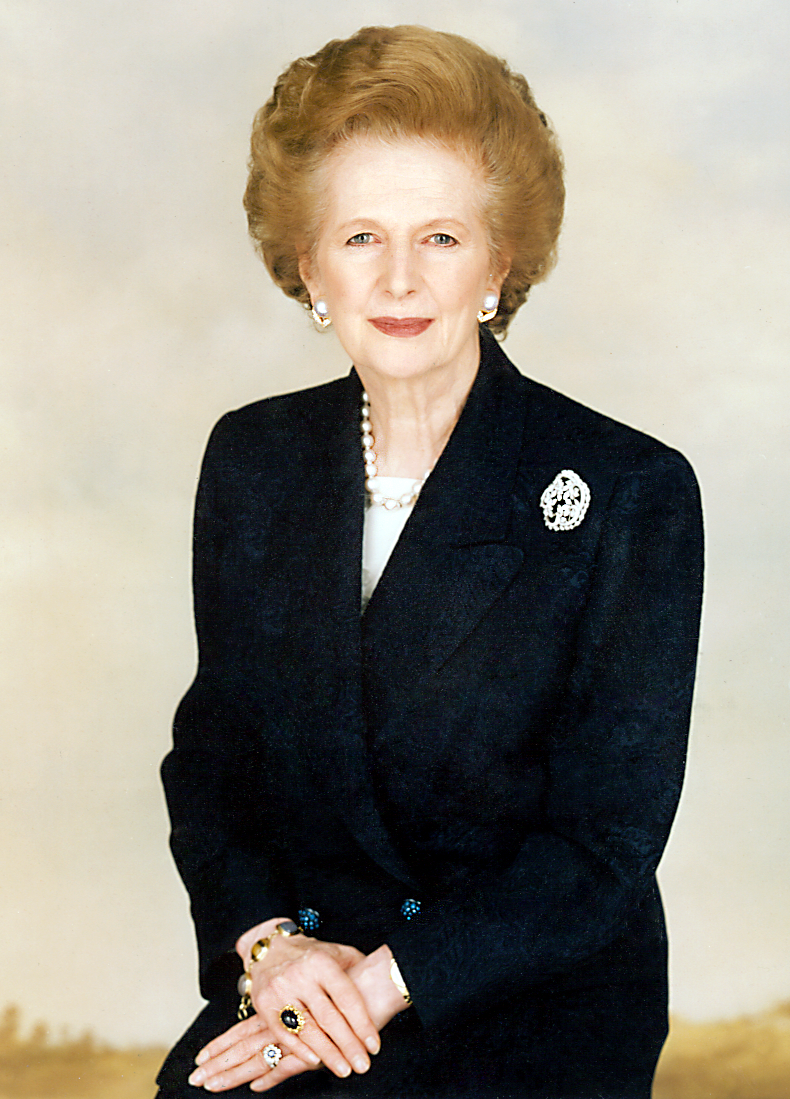
When Margaret Thatcher and Sir Keith Joseph formed the Centre for Policy Research, their objective was to develop policies for privatization, low-tax and support for family. She was not about to draw up policy based on a hunch, she relied on research. The centre is Britain’s best known and well- respected independent think-tank. Margaret had a passion for British character. She also believed that government should have limited power because and I quote from her 1988 speech to the Centre for Policy Research, “…..they meddle in everything, make a mess and make wrong judgments” and finally, the fundamental human right to liberty under a rule of law. She achieved much of her success in policy from the work done at the center.
Research is not a census; it is a scientific process that selects respondents to represent the broader population’s views in a specific area of study. This addresses questions about the credibility of polls. However, where is the think tank within government? While substantial research has been conducted, development must be driven by healthy competition among counties. Where is the public debate, and how will Wanjiku understand what’s being done for her unless the government communicates effectively? More importantly, how will both sides align on the way forward for their counties?
The challenge with Vision 2030 is not about what to achieve but how to achieve it. Its success relies on a robust delivery mechanism grounded in research. Without clear communication, Wanjiku’s perception—whether accurate or not—will become her reality. More research is needed to identify better ways of communicating development plans and successes to the public, fostering their support. Digital communication offers immense opportunities, and the methods employed will determine how well Vision 2030 is embraced and how quickly key performance indicators in each county are achieved. For true progress, Vision 2030 must transform into a demand-driven movement, ensuring that its widely shared goals are not only pursued but realized at the necessary pace.